

Industrial projects rarely fail due to a lack of technology or financing. More mundane factors are more often the cause. The availability of resources, tools, and infrastructure on site is gradually coming to the fore. Especially in an environment where the scale of industrial construction and infrastructure projects is measured in hundreds of billions of dollars.
The growing number of projects increases competition for resources. At the same time, the regulatory environment is becoming more complex. Supply chains are becoming less predictable. As a result, local availability ceases to be a convenient option and becomes a factor of operational sustainability.
Infrastructure is no Longer the Background
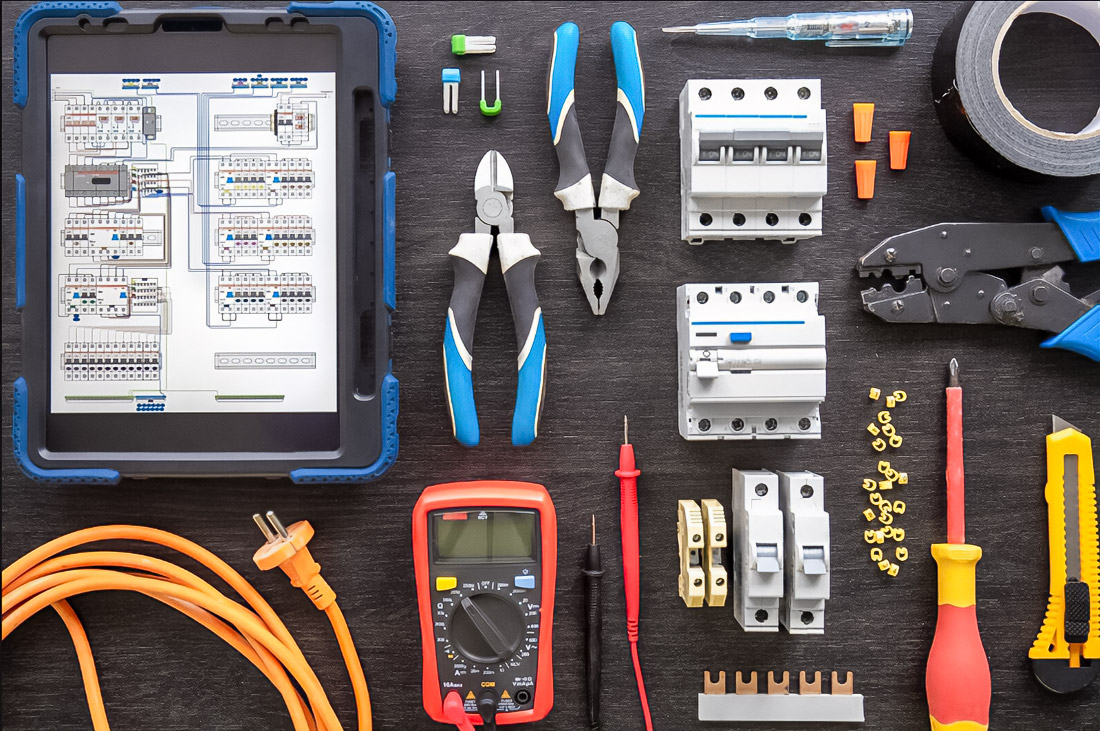
For a long time, infrastructure was perceived as something given. Power grids, water, logistics, and production areas were considered basic conditions. In practice, they are increasingly becoming the bottleneck. The connection of energy infrastructure, access to water resources and transport accessibility directly affect the life cycle of the project.
Delays in connecting capacities can delay the start-up time by 90-180 days. For energy-intensive industrial projects, such delays quickly translate into increased costs. Contractual obligations are becoming more complicated. Risk management demands additional effort. This is why site selection increasingly begins not with land prices but with a realistic assessment of infrastructure readiness and machine tool supply availability.
Resource Planning as the Basis of Project Management
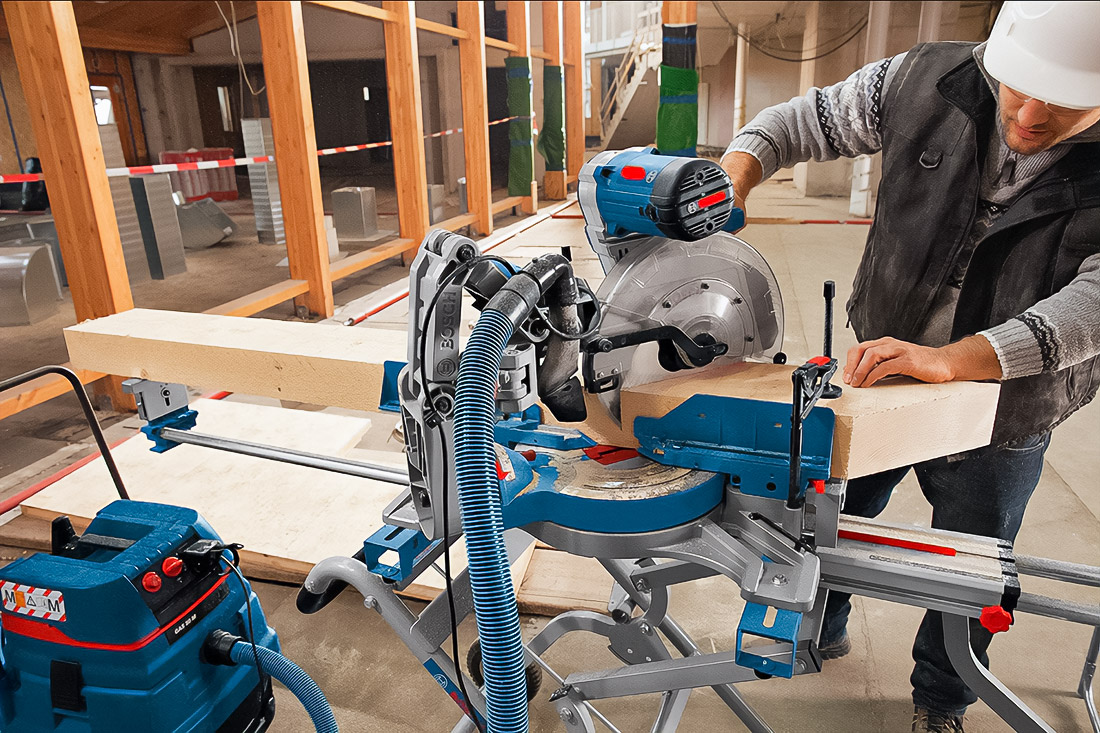
Modern project planning has ceased to be a linear process. It looks more and more like a risk-balancing system. Resource planning plays a key role in this context. The availability of tools, materials, and services within the region reduces dependence on external supply chains.
This is critical for industrial projects with a multi-year implementation horizon. Capacity scaling is becoming more manageable. Operational reliability is established at the design stage. In practice, mistakes made early are far more expensive than upfront investments in local resource availability and stable relationships with industrial tools suppliers.
Contractors, Contracts, and Local Compatibility
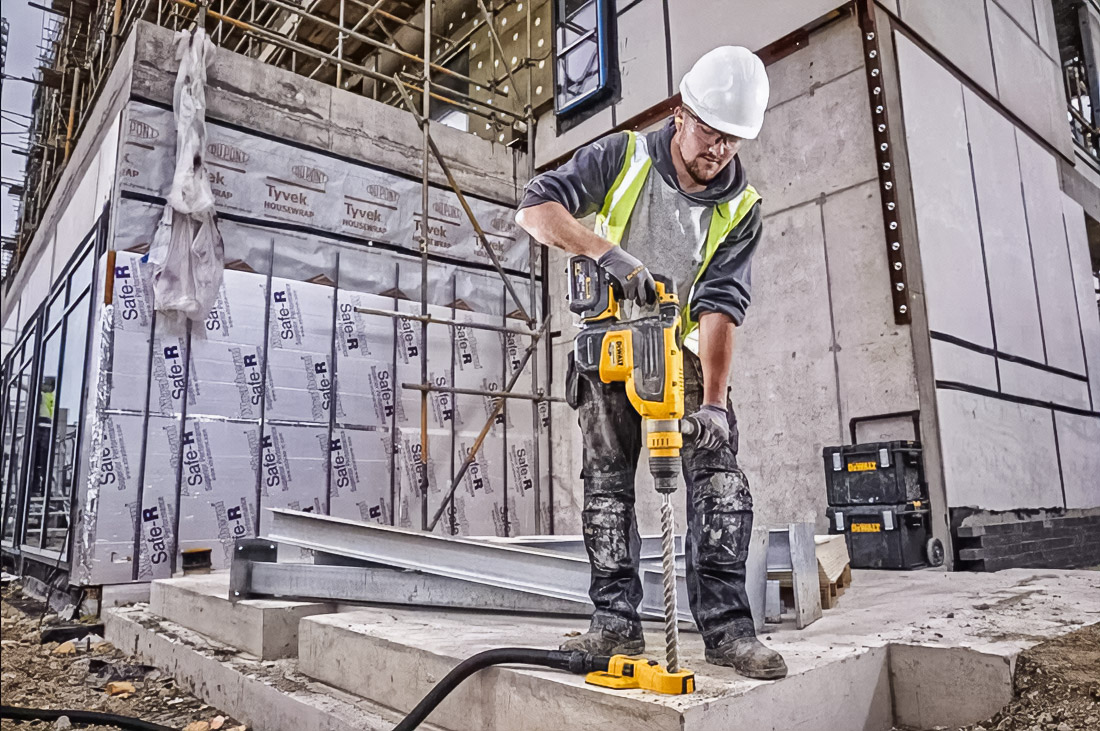
Contract models in industrial construction are gradually changing. Customers are increasingly targeting local contractors. The reason is simple. They have a better understanding of the regulatory environment and compliance standards. This speeds up approvals and reduces the likelihood of conflicts during the implementation process.
The technical compatibility of the equipment with the local infrastructure is also becoming important. Using tools that require complex adaptations or non-standard supplies increases the burden on project management. In the long run, this reduces operational sustainability and increases risks.
Energy, Water and Operational Sustainability
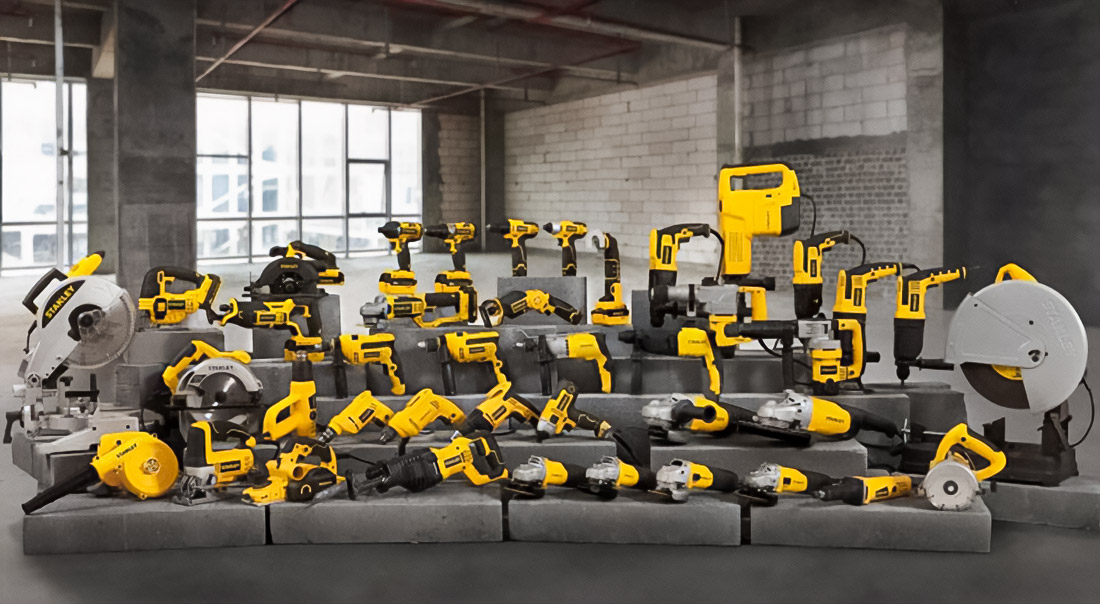
Many industrial projects today are centred around energy and water resources. Dozens of gigawatts of new energy capacity are under development. Each such facility requires a stable supply and high operational reliability. In regions with limited water resources, these requirements are increasing.
Sustainability in this case is not an abstract concept. It is expressed in the ability of the facility to function smoothly for decades. Safety, efficiency, and compliance with environmental requirements directly depend on the local availability of technologies and services.
Logistics, Personnel, and Real-World Placement Constraints

Logistical accessibility is gradually changing the priorities of project placement. Companies are expanding the allowed transport area to 45-60 minutes. This allows for stable access to labour and tools. Staffing is becoming no less important than geography.
The shortage of production areas and the increase in building density force us to optimise the use of space. Projects are increasingly combining functions and adapting existing sites. While this approach requires more complex planning, it reduces long-term operational risks and dependence on fragmented machine tool supply channels.
Local Accessibility as a Strategic Decision
In an environment where thousands of industrial projects are being implemented simultaneously, local accessibility is becoming a strategic choice. It affects timing, costs, and sustainability. Projects that take this factor into account from the very beginning show more predictable results.
They adapt more easily to changes in the regulatory environment. They go through the implementation stages faster. Their life cycle is less susceptible to external shocks. As a result, the local availability of tools and resources ceases to be a detail and becomes the foundation of industrial development.